Dermatologist‑Led Medical Skin Care in Izmir

Healthy, radiant skin is more than skin‑deep — it requires personalized care that addresses your unique concerns, environmental stressors, and your skin’s medical and aesthetic needs. At our dermatology clinic in Alsancak, Izmir, Dr. Orhan Demirer offers **medical skin care** treatments that combine professional dermatologic assessment with advanced care protocols to improve complexion, texture, hydration, and overall skin health. If you are searching for medical skin care in Izmir, this guide explains how our customized programs work, what conditions they treat, and how regular medical skin care optimizes long‑term results.
What Is Medical Skin Care?
Medical skin care — sometimes called clinical skin care — is a dermatologist‑supervised approach to skin health that goes beyond beauty or spa‑level facials. Treatments are designed to treat specific skin conditions such as acne, sensitivity, dryness, pigmentation irregularities, or early signs of aging. Unlike generic beauty facials, medical skin care protocols use medical‑grade products, evidence‑based practices, and are tailored based on a clinical evaluation of your skin type, lifestyle, and goals.
Who Needs Medical Skin Care?
Medical skin care may benefit individuals who experience:
- Persistent acne or breakouts
- Enlarged pores and congestion
- Dull, dehydrated skin
- Early signs of aging such as fine lines
- Pigmentation irregularities
- Sensitivity or redness
- Uneven skin texture
Even patients without specific complaints may choose medical skin care for preventative maintenance and long‑term skin health optimization.
How We Evaluate Your Skin

Before any program begins, a detailed skin assessment is conducted by Dr. Orhan Demirer. This typically includes:
- Review of medical history and skin concerns
- Clinical evaluation of skin type and condition
- Discussion of lifestyle, environment, and habits
- Personalized recommendations based on findings
Assessment helps identify suitable care, but does not guarantee safety or effectiveness. Active acne, eczema, rosacea and persistent pigment changes require diagnosis-led treatment.
Medical Skin Care Treatments We Provide
Clinical Facials
Unlike over‑the‑counter beauty facials, clinical facials use medical‑grade solutions and protocols customized to your skin. These may include deep cleansing, enzymatic exfoliation, and targeted product applications for selected cleansing or hydration needs. A facial does not remove toxins from the body.
Acne‑Focused Protocols
Selected superficial comedones may benefit from supportive care. Inflamed or scarring acne requires a medical acne plan; cleansing or a facial alone does not treat all causes of acne. For scar support, this may be combined with treatments like Dermapen microneedling or Fractional CO2 Laser when clinically indicated.
Hydration & Barrier Support
For dehydrated skin or compromised skin barrier function, specialized moisturizers, humectants, and clinical serums are applied to restore moisture balance and strengthen resilience.
Anti‑Aging Clinical Care
Medical skin care protocols for aging concerns focus on collagen support, antioxidant protection, and controlled exfoliation to improve texture and fine lines. These programs often complement aesthetic procedures such as BBL laser, RF microneedling or PRP treatment based on individual needs.
Pigmentation Balancing Care
Medical skin care targets uneven pigmentation with products that regulate melanin production and encourage gentle cellular turnover under dermatologic supervision.
Benefits of Medical Skin Care
The value of a skin-care plan depends on the diagnosis, products and actual steps used. A medical label alone does not prove superiority:
- Customized for your skin type and condition
- Uses medical‑grade, evidence‑based formulations
- Targets specific concerns rather than providing temporary glow only
- Improves long‑term skin health and resilience
- Aligns with other dermatologic treatments for comprehensive results
What to Expect During a Session
A typical session may include:
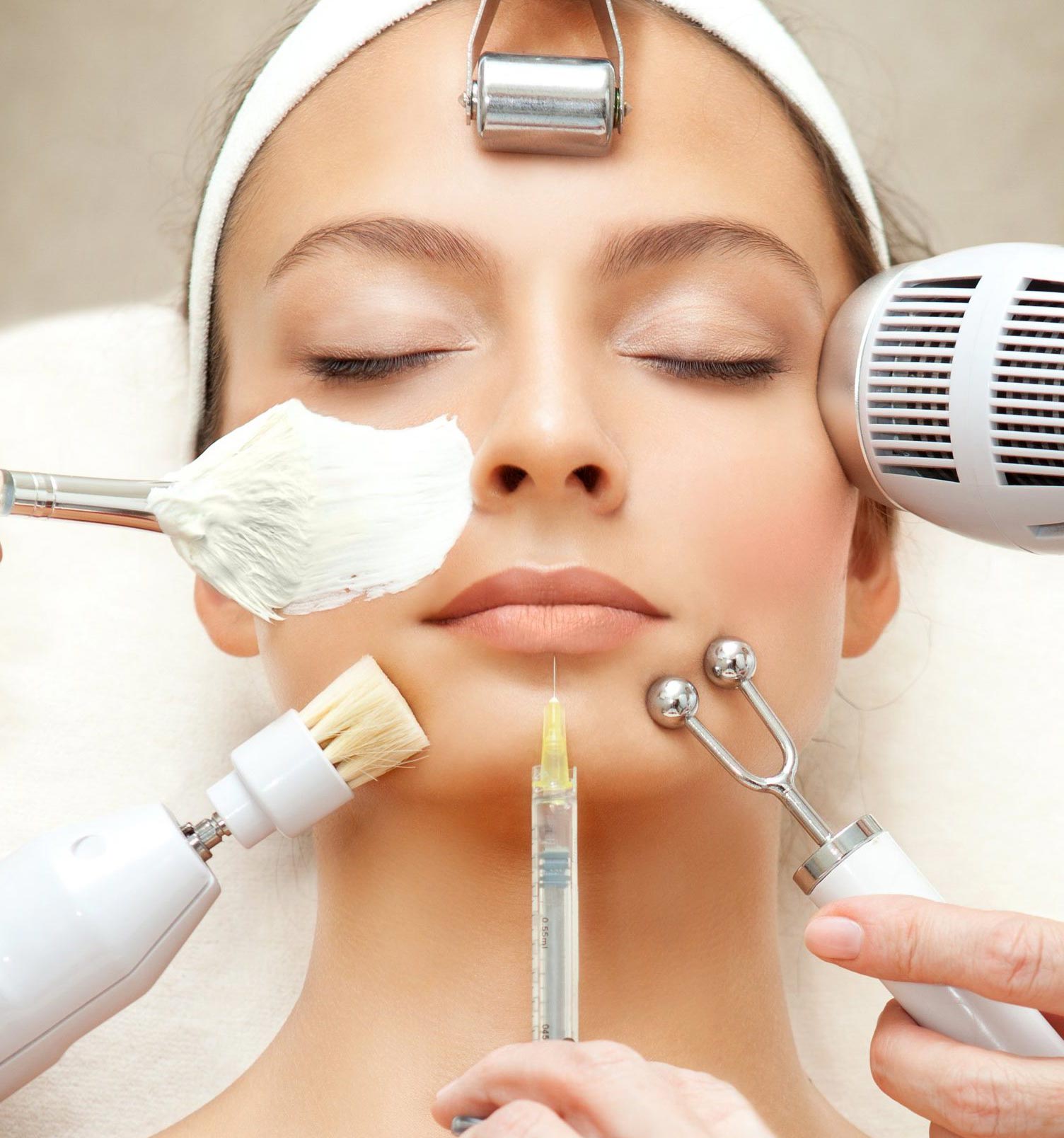
- Deep cleansing with medical‑grade agents
- Targeted exfoliation (chemical, enzyme, or mechanical where appropriate)
- Application of clinical serums and solutions
- Soothing or protective masking
- A personalized home care regimen recommendation
Treatments are performed comfortably with patient safety and hygiene as priorities. Sessions may vary in duration depending on goals and combinations with other therapies.
Recovery and Aftercare
Recovery depends on the steps used and the skin’s response. Exfoliation or extraction can cause irritation, bruising or pigment change; stronger procedures may cause burns, infection or scarring. Following your session, you may experience temporary redness or mild peeling depending on the protocols used — especially if exfoliation or resurfacing agents are involved. Aftercare typically includes:
- Sun protection with broad‑spectrum sunscreen
- A gentle cleanser and moisturizer as recommended
- Avoidance of harsh physical exfoliants immediately after
Dr. Demirer provides a customized home care plan to support ongoing improvement between clinic visits.
How Often Should You Get Medical Skin Care?
Frequency varies depending on your skin concerns and treatment plan. Some patients benefit from regular monthly sessions, while others may follow specific series customized to condition severity. During consultation, an optimal schedule is recommended based on your evaluations and goals.
Medical Skin Care vs Day Spa Facials
Although both aim to improve appearance, there are key differences:
- Medical skin care uses clinical evaluation, dermatologist‑recommended products, and targeted protocols.
- Day spa facials often use cosmetic products and are designed for temporary relaxation and glow rather than medical outcomes.
Persistent skin problems require diagnosis and appropriate treatment. Gentle home care remains important; repeated professional facials are not necessary for everyone.
What affects medical skin care cost in Izmir?
Cost depends on the skin concern, treatment area, products and protocol selected, whether exfoliation or another procedure is included, session frequency and follow-up needs. The plan and fee are individualized after assessment rather than based on a single standard facial package.
Why Choose Dr. Orhan Demirer for Medical Skin Care in Izmir?
Dr. Orhan Demirer is a specialist dermatologist practicing in Alsancak, Izmir with deep expertise in medical skin care, acne management, aging protocols, and cosmetic dermatology. The care plan is tailored to the clinical findings, evidence, tolerance and goals. A particular result or absence of adverse effects cannot be guaranteed.
Learn more about his professional background at About Dr. Orhan Demirer.
For appointments or consultation requests, visit: Contact Dr. Orhan Demirer.
Frequently Asked Questions (FAQs)
Is medical skin care painful?
Most sessions are comfortable. Mild tingling may occur with exfoliation agents, but care is taken to ensure patient comfort.
How soon will I see results?
Early improvement in texture and radiance may appear after the first session, with continued enhancement over several visits.
Can medical skin care help acne?
Care may support selected comedonal or barrier concerns, but inflamed, persistent or scarring acne requires diagnosis-led medical treatment.
Do I need special products at home?
A simple, tolerated cleanser, moisturizer and sun-protection routine may be sufficient. Additional products depend on the diagnosis; special or expensive products are not automatically required.
Is there downtime?
Redness and tenderness vary with the procedure. Increasing pain, blistering, spreading redness, discharge or fever requires medical review; recovery should not be assumed to be immediate.