
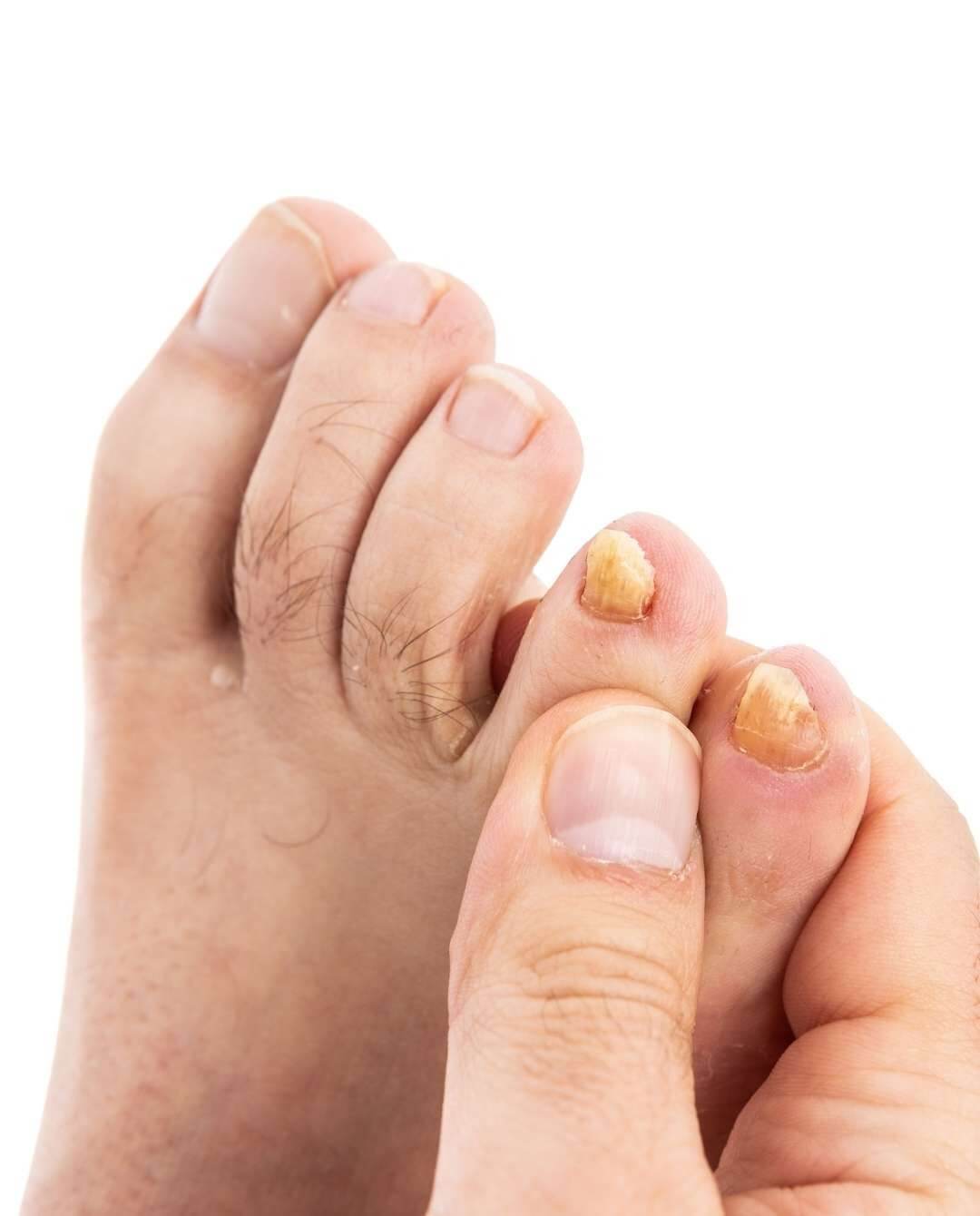
Fungal infections are common skin conditions caused by dermatophytes or yeast organisms. At our clinic in Izmir, fungal infection treatment is provided by a Dermatology and Venereology specialist with accurate diagnosis and evidence-based medical therapy.
Assessment helps choose appropriate treatment and reduce the burden of infection; clearance, recurrence and transmission vary with organism, site and individual factors.
Common Types of Fungal Infections

- Athlete’s foot (tinea pedis)
- Fungal nail infection (onychomycosis)
- Ringworm (tinea corporis)
- Groin fungus (tinea cruris)
- Yeast infections of the skin
These infections may cause redness, itching, scaling, thickened nails or circular rashes.
How Are Fungal Infections Diagnosed?
Accurate diagnosis is essential, as other skin conditions can mimic fungal infections. Clinical examination and, when necessary, laboratory testing help confirm the diagnosis before starting treatment.
Fungal Infection Treatment Options
Treatment depends on the type, severity and location of the infection. Options may include:
- Topical antifungal creams and solutions
- Oral antifungal medications
- Nail-specific therapies for onychomycosis
- Preventive measures to avoid recurrence
Use medication for the prescribed duration even when symptoms improve. Correct use supports treatment but does not guarantee clearance. Nail appearance improves as healthy nail grows and may take months; persistent or recurrent change needs reassessment.
Scalp, nail and medicine precautions

Scalp ringworm usually requires prescribed oral antifungal treatment; shampoo or cream alone is not a substitute. Thick or discoloured nails can also result from trauma, psoriasis or other disease, so a nail sample may be needed before treatment.
Do not apply steroid cream to an undiagnosed rash that could be fungal; it can mask and worsen ringworm. Oral antifungals require review of other medicines, liver health, pregnancy and any monitoring needs. Widespread, severe or treatment-resistant infection needs reassessment rather than repeated unsupervised prescriptions.
Preventing Recurrence
Good hygiene, keeping the skin dry, avoiding shared personal items and proper footwear are important steps in preventing reinfection.
Why See a Dermatologist?
Self-treatment may temporarily reduce symptoms but often fails to eliminate the infection completely. A dermatologist assesses the likely diagnosis, confirms it when needed and balances treatment benefit against risks. No treatment is risk-free or effective for every patient.
What affects fungal infection treatment cost in Izmir?
Cost depends on the type and location of the infection, whether skin or nails are involved, the treatment required, any diagnostic testing and the duration of medical follow-up. Nail infections and extensive disease may require longer management, so the treatment plan and fees are determined after dermatological assessment.
Book Your Consultation
If you are looking for fungal infections treatment in Izmir, contact our clinic to schedule your consultation and receive professional medical care.