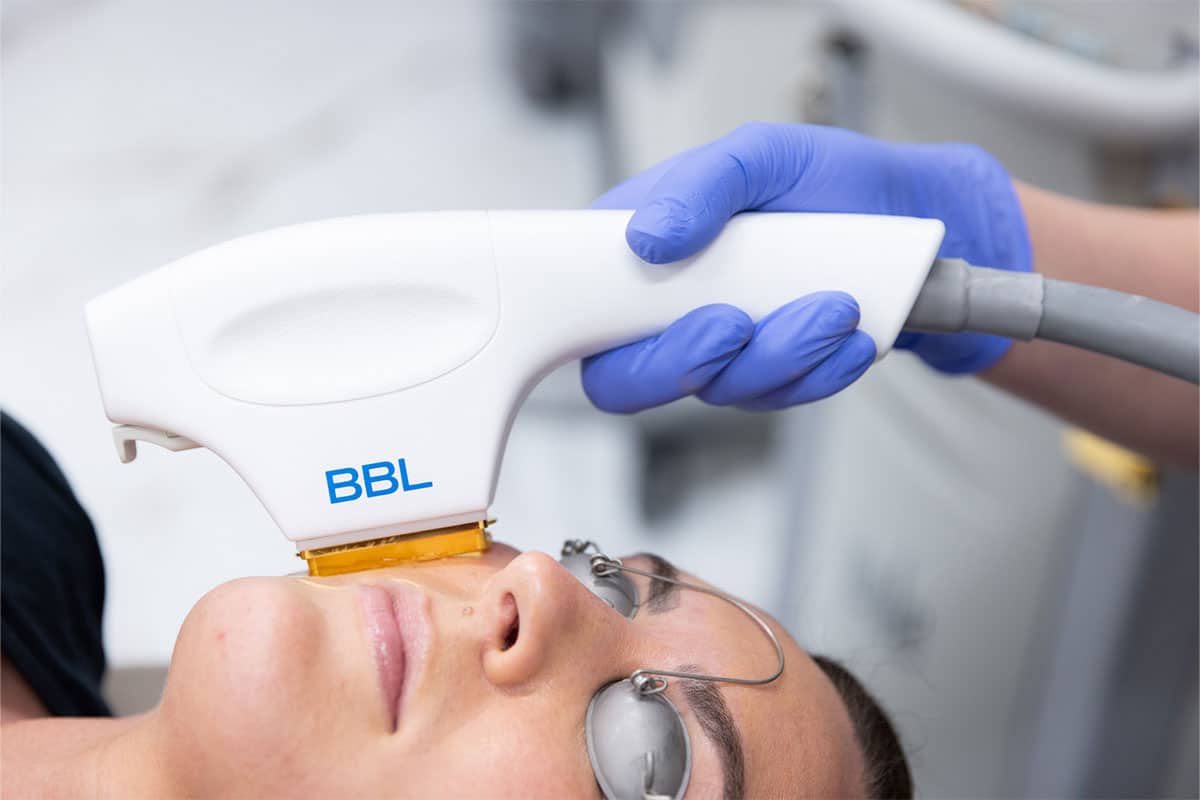
Light-based treatment starts with the correct skin target
At Dr. Orhan Demirer’s dermatology practice in Alsancak, broadband and calibrated pulsed-light treatment is planned after identifying whether the concern is pigment, redness, superficial vessels or a different skin condition.
- Dermatologist-led diagnosis and skin-phototype assessment
- Individual filter, pulse and energy planning
- Xlase Plus BBL/CPL light platform used when appropriate
- Consultation and treatment information available in English

BBL in Izmir: start with the diagnosis, not the device name
Patients commonly search for “BBL laser” when they want treatment for sun spots, redness or uneven tone. These visible changes do not all represent the same biological target. Brown colour may reflect a solar lentigo, melasma, post-inflammatory pigmentation or a lesion that should be examined before any cosmetic procedure. Redness may be diffuse inflammation, superficial vessels, rosacea or another dermatological condition.
Dr. Orhan Demirer first assesses the distribution, colour, surface, recent change, skin phototype, tanning history, medicines and previous procedures. Dermoscopy or a different diagnostic step may be appropriate for a suspicious or uncertain pigmented lesion. Only after the target is identified is a light filter, laser or non-device treatment considered.
A device being available does not mean it is suitable for every mark. Sometimes the correct plan is medical treatment, observation, vascular laser, pigment-focused laser, fractional resurfacing—or no procedure.
Is BBL really a laser?
No. A conventional laser produces a more specific wavelength. Broadband or intense pulsed-light systems emit a range of wavelengths; filters and pulse settings are selected so that melanin, haemoglobin or another intended chromophore absorbs part of the light energy.
“BBL laser” remains a common patient-search term. BBL® is also used as a brand name for a particular broadband IPL family. At this practice, suitable light-based procedures are performed with the Xlase Plus BBL/CPL platform. The exact device, handpiece and intended target should be confirmed during consultation rather than inferred from a generic treatment name.
Which concerns may be assessed for BBL/CPL light treatment?
Suitability depends on diagnosis, depth, colour, phototype, recent sun exposure and the specific platform’s indications. The cards below describe consultation targets—not guaranteed outcomes.
Sun spots and freckles
Selected benign epidermal pigment may be considered after confirming that the area is appropriate for cosmetic light treatment.
Redness and small vessels
Diffuse redness or fine superficial vessels may be assessed, although rosacea often also requires medical and skincare management.
Selected acne marks
Red or brown post-acne colour may be a light-treatment target; depressed acne scars require a different structural plan.
Uneven tone and clarity
Selected photodamage and mixed colour irregularity may improve gradually. This is not a surgical lift or deep resurfacing treatment.
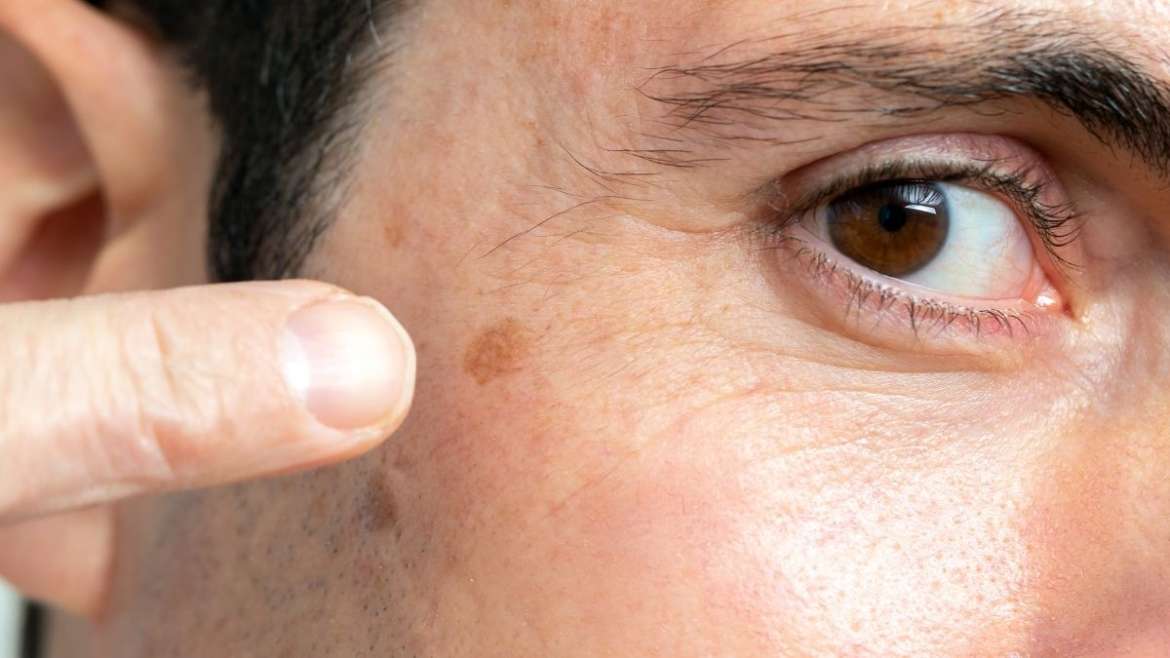


Not every brown patch should be faded with pulsed light
Solar lentigines, freckles, melasma, post-inflammatory hyperpigmentation, seborrhoeic keratoses and melanocytic lesions can all look “brown” to a patient but behave differently. Treating a changing or uncertain lesion as a cosmetic spot may delay diagnosis and can also alter its clinical appearance.
- Solar lentigo: a selected, clearly diagnosed superficial sun spot may be a reasonable light-based target.
- Melasma: chronic, relapse-prone and sensitive to heat, light and inflammation; an aggressive light-first strategy can worsen pigmentation.
- Post-inflammatory pigment: the active acne, eczema, irritation or injury should be controlled before adding another trigger.
- Changing lesion: new growth, multiple colours, irregular borders, bleeding or rapid change requires medical assessment rather than cosmetic treatment.
Melasma and acne scars need separate plans
Melasma is not a simple sun spot
It is often chronic and recurrent. Phototype, hormones, ultraviolet and visible light, heat, irritation and previous rebound pigmentation influence management. Topical care and rigorous photoprotection may be more important than an energy-based procedure.
Colour change is not scar depth
BBL/CPL may be considered for selected red or brown post-acne marks, but it does not release tethered scars or rebuild depressed boxcar, rolling or ice-pick scars. Fractional CO₂, RF microneedling or other scar techniques may be assessed instead.
“Stronger” settings are not automatically more effective. Excess epidermal heating or inflammation may increase burn, crusting and post-inflammatory colour-change risk.
How BBL/CPL treatment is planned
The light pulses may take only part of the appointment; safe planning begins before the handpiece touches the skin.
Diagnosis and photographs
The concern, distribution, baseline colour and any lesion requiring separate examination are documented.
Phototype and tanning
Natural skin tone, recent sun or solarium exposure and tendency to pigmentation influence whether treatment proceeds.
Medical review
Medicines, photosensitivity, pregnancy, infections, previous reactions and active skin disease are discussed.
Filter and pulse plan
The applicator, filter, energy, pulse pattern, cooling and passes are chosen for the intended target.
Protective measures
The skin is prepared, appropriate eye protection is fitted and cooling or coupling measures are used as required.
Clinical endpoint
The immediate tissue response is observed; a preset package does not replace clinical judgement.
Aftercare
Expected redness or pigment darkening, sun protection and warning signs are explained.
Review and next step
Further treatment is based on healing and response, not booked automatically before the first result is assessed.
Who may be suitable—and when treatment may be postponed
Assessment may be relevant for
- Clearly diagnosed superficial sun spots or freckles
- Selected diffuse redness or small superficial vessels
- Mixed photodamage and uneven skin tone
- Selected red or brown post-acne colour changes
- Adults who understand that response and session need vary
- Patients able to follow sun-protection and aftercare instructions
Delay or additional review may be needed
- Recent tanning, sunburn or planned intense sun exposure
- Active infection, open wound, eczema or inflammatory flare
- Uncertain, new or changing pigmented lesion
- Photosensitising medicine or photosensitivity disorder
- Darker phototype or strong post-inflammatory pigmentation tendency
- Pregnancy or breastfeeding when an elective cosmetic procedure is considered
Do not stop prescribed medicines on your own. Share all medicines, supplements, recent procedures, cold-sore history, tanning, pregnancy/breastfeeding status and previous reactions with the physician.
What may happen after treatment?
The expected response depends on the target and intensity. The timeline below is illustrative rather than a promise for every person.
Warmth, erythema, mild swelling or a sunburn-like sensation may occur.
Targeted pigment can temporarily darken or form fine crusting before it lightens.
Redness or colour may change gradually; one early photograph does not show the final response.
Further sessions or a different method are decided after healing and clinical response are assessed.
Sun protection and gentle care are part of the treatment
Aftercare varies with the filter, energy, target and skin response. The treating physician’s instructions take priority over generic internet advice.
Do not pick or scrub darkened spots. Contact the practice if pain, blistering, unexpected colour change or another concern develops. Long-term photoprotection remains important because new ultraviolet exposure can create new pigment and worsen rosacea or melasma.
- Use the recommended broad-spectrum sunscreen and physical protection.
- Avoid tanning and unnecessary heat exposure during recovery.
- Use gentle cleansing and moisturising as advised.
- Do not peel, pick or aggressively exfoliate treated pigment.
- Delay strong actives and other procedures until the advised time.
- Report worsening pain, blistering or abnormal colour promptly.
Possible side effects and warning signs
Light-based treatment is non-surgical, but it is not risk-free. Skin type, recent sun exposure, diagnosis, device, settings, cooling, treatment area and aftercare all affect risk.
More common and usually temporary
Redness, warmth, tenderness, mild swelling, transient vessel or pigment darkening and fine crusting may occur. Recovery differs between pigment and vascular treatments.
Less common or potentially persistent
Blistering, burns, purpura, infection, scarring, post-inflammatory hyperpigmentation, hypopigmentation, prolonged redness or an unsatisfactory response are possible.
Increasing severe pain, blistering, marked swelling, grey-white skin, spreading redness, signs of infection or any eye/vision symptom requires prompt medical assessment.
Appropriate wavelength protection is essential because pulsed-light energy can injure the eye. Treatment near the eyes requires area-specific protective measures and should not be approached as routine salon phototherapy.
General medical information was cross-checked against the American Academy of Dermatology guidance on sun-damaged skin, its laser and light overview for rosacea, and the manufacturer’s Xlase Plus technical overview. Product instructions and medical guidance applicable in Türkiye take priority.
BBL/CPL, vascular laser, fractional CO₂ or RF microneedling?
These technologies do not perform the same task. A person may need one method, a staged combination—or no procedure.
| Method | Main target | Typical planning question | Important limitation |
|---|---|---|---|
| BBL / CPL pulsed light | Selected pigment, diffuse redness, superficial vessels and photodamage | Which filter and pulse structure match the colour target and phototype? | Not a deep scar-remodelling or lifting treatment; caution with melasma, tanning and darker phototypes. |
| 1064 nm Nd:YAG vascular laser | Selected deeper or more defined vascular targets | What is the vessel’s size, depth, colour and location? | Not the automatic choice for diffuse pigment or every type of facial redness. |
| Fractional CO₂ laser | Texture, selected acne scars and resurfacing | How much depth and downtime are proportionate to the scar or texture concern? | More visible recovery and pigment-change risk; not interchangeable with pulsed light. |
| RF microneedling | Texture, pores, selected scars and dermal remodelling | Is the dominant concern structural rather than colour-based? | Does not selectively remove every brown spot or visible vessel. |
BBL laser prices in Izmir
Pricing depends on the diagnosis, treatment area, number and type of targets, the selected filter or applicator, session complexity and whether the face, neck, chest or another area is included. A small cluster of diagnosed sun spots and a full-face mixed pigment/redness plan are not the same procedure.
The number of sessions should not be sold as a fixed package before the first response and safety factors are understood. The treatment scope and fee can be discussed after assessment.
Tell the practice whether your main concern is brown pigment, redness, vessels, acne marks or general uneven tone.
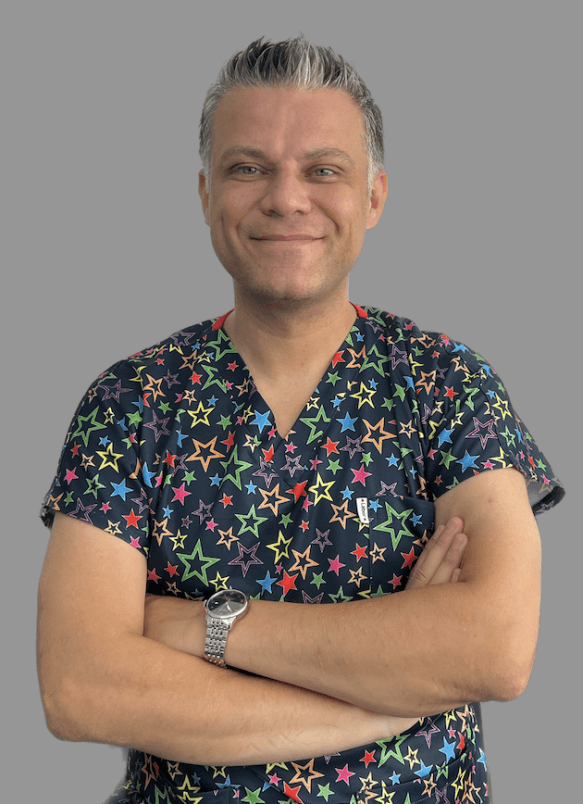
BBL planning with Dr. Orhan Demirer
Dr. Orhan Demirer is a specialist dermatologist practising in Alsancak, Izmir. For pigment and redness concerns, he evaluates the diagnosis, lesion behaviour, phototype, recent tanning, rosacea or melasma tendency, medicines, previous procedures and acceptable recovery before selecting a device.
If BBL/CPL is not the proportionate option, medical treatment, observation, dermoscopy, Nd:YAG vascular laser, pigment-focused laser, fractional CO₂ or RF microneedling may be discussed. The purpose is not to use the same device on every patient; it is to choose a defensible target and treatment sequence.
- Specialist in dermatology
- Clinical and aesthetic skin assessment
- Multiple laser and energy-based options
- English communication available
BBL/CPL assessment in Izmir for international patients
Visitors should consider sun exposure, return travel and access to follow-up. A photograph may help schedule the appointment, but it cannot confirm the diagnosis, phototype, exact platform setting or whether treatment can be performed on the same day.
Share preferred dates, the main colour concern, recent sun exposure and previous reactions.
Skin type, tanning, medicines, diagnosis and expected recovery are assessed in person.
Plan sun avoidance and know how to seek assessment if an unexpected reaction occurs.
Frequently asked questions about BBL laser in Izmir
Is BBL actually a laser?
No. “BBL laser” is a common search term, but broadband light is a filtered intense-pulsed-light technology rather than a conventional single-wavelength laser. The practice uses an Xlase Plus BBL/CPL platform when appropriate.
What is the difference between BBL, IPL and CPL?
They belong to the pulsed-light family, but device design, filters, pulse delivery, cooling and approved indications differ. BBL is also a brand term associated with a particular broadband IPL family; CPL refers to calibrated pulsed-light technology on the Xlase Plus platform.
Which skin concerns may be assessed?
Selected diagnosed sun spots, freckles, diffuse redness, fine superficial vessels, post-acne colour changes and uneven photodamaged tone may be considered. Suitability depends on diagnosis, phototype, tanning and the exact device indication.
Can BBL treat melasma?
Melasma requires caution. It is chronic, relapse-prone and can worsen after heat or inflammation. Photoprotection and medical/topical management may be more appropriate; a light-based procedure is not an automatic first choice.
Can it treat acne scars?
It may be considered for selected red or brown post-acne marks, but it does not correct depressed scar depth. Boxcar, rolling and ice-pick scars require scar-type assessment and may need fractional CO₂, RF microneedling or other techniques.
Is BBL suitable for every skin tone?
No. Higher epidermal melanin can increase burn and pigment-change risk. Darker phototypes require careful evaluation, and another approach may be safer or more effective depending on the target.
How many sessions are needed?
There is no universal number. The target, severity, area, skin type, platform, parameters and response determine whether one treatment, a series or a different method is appropriate.
Does pigment become darker after treatment?
Selected treated pigment may temporarily darken and develop fine crusting before it lightens. Do not pick it. Unexpected pain, blistering or marked colour change should be reported promptly.
How much downtime is expected?
Many lower-intensity pulsed-light treatments have limited downtime, but redness, warmth, swelling, pigment darkening, crusting or purpura can occur. Recovery varies by target and intensity.
What should I avoid before treatment?
Recent tanning and sunburn are important. Tell the physician about medicines, photosensitivity, active skin disease and previous reactions. Do not stop prescribed medication without medical advice.
Can BBL be combined with other treatments?
Sometimes, but the sequence matters. Pigment/redness treatment, fractional resurfacing, RF microneedling or injectable procedures should not be combined automatically; healing, inflammation and cumulative risk must be considered.
How much does BBL laser cost in Izmir?
The fee depends on diagnosis, treatment area, target number, filter or applicator, complexity and proposed session plan. An individual fee is discussed after the concern and treatment scope are understood.
First identify whether the target is pigment, redness or texture
A personal plan begins with diagnosis, phototype, tanning and risk assessment—not with a fixed BBL package.