Advanced PRP Treatment in Izmir with Dr. Orhan Demirer


Platelet‑Rich Plasma (PRP) therapy harnesses your own blood’s healing ability to stimulate natural tissue regeneration and rejuvenation. At our dermatology clinic in Alsancak, Izmir, Dr. Orhan Demirer uses medical‑grade PRP protocols to improve skin texture, address hair thinning, enhance healing after acne scarring, support microneedling outcomes, and consider skin-quality goals using autologous blood components. Collection tubes, anticoagulants, anaesthetics and any adjunct procedure still require individual review. If you are searching for PRP treatment in Izmir, this complete guide explains how it works, what conditions it can help, treatment expectations, and outcomes.
What Is PRP?
PRP stands for Platelet‑Rich Plasma — a concentration of platelets derived from your own blood. Platelets contain biological signals involved in repair. This mechanism does not establish a predictable cosmetic effect. Autologous plasma does not exclude reactions to anticoagulants, anesthetics, additives or other treatment materials.
How PRP Treatment Works
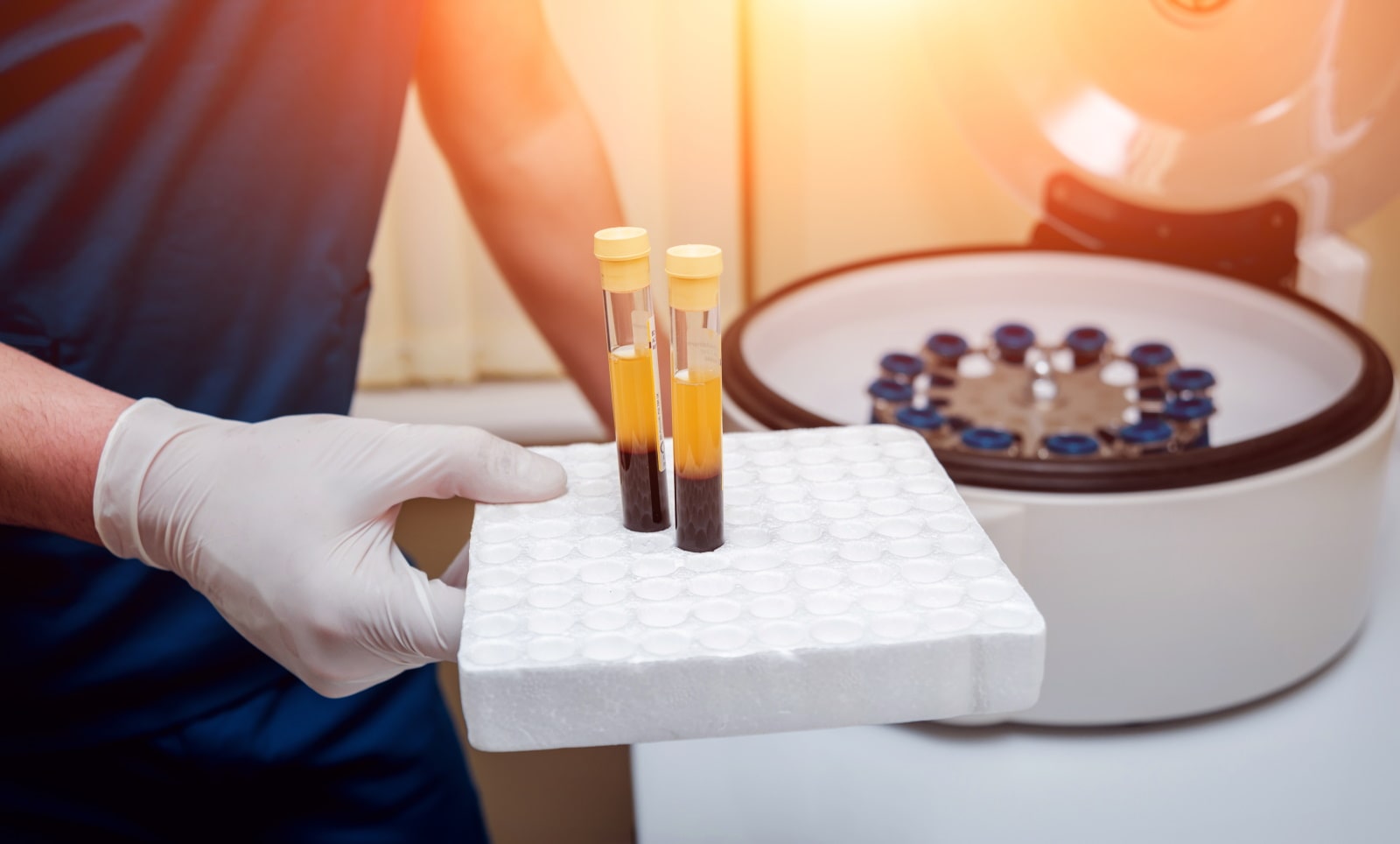
During a PRP session, a small sample of your blood is drawn and placed into a centrifuge. The centrifuge separates the plasma and platelets from the rest of the blood components. The platelet‑rich portion is then carefully injected into targeted areas, such as the face, scalp, or areas of scarring. Proposed biological actions include the following; they do not establish a guaranteed clinical response:
- Stimulate natural collagen and elastin production
- Improve microcirculation
- Enhance tissue regeneration
- Support healing and cellular renewal
Conditions Considered for PRP in Izmir
PRP is not stem-cell therapy. Evidence and outcomes vary by preparation and indication. Pattern hair loss must be distinguished from inflammatory, scarring and other causes before PRP is considered.
Skin Rejuvenation
PRP has been studied for skin-quality changes, but facial-rejuvenation evidence is limited and heterogeneous. Biological activity does not guarantee visible rejuvenation. It can be integrated with microneedling treatments, such as Dermapen microneedling or RF microneedling, only after the combination’s evidence, risks and expected benefit have been assessed.
Acne Scar Support
PRP may be considered as an adjunct to selected atrophic-scar treatments; it is not a universal scar therapy. Combining PRP with fractional laser resurfacing — such as Fractional CO2 Laser — requires a separate assessment; an additional benefit or faster recovery cannot be assumed.
Hair Thinning and Alopecia
PRP therapy is widely used for pattern hair thinning and early alopecia. By delivering growth factors directly to hair follicles, PRP may help increase hair thickness and strengthen weak hair shafts.
Post‑Treatment Healing and Recovery Support
Adjunctive PRP has been studied with selected procedures. The main procedure, PRP preparation and application route require separate evidence and safety assessment; shorter downtime is not guaranteed.
Who Is a Candidate for PRP Treatment?
PRP may be considered only after the skin or hair indication, evidence limits and individual risks have been assessed. Ideal candidates:
- Have realistic expectations
- Are in overall good health
- Wish to improve skin quality or support scar healing
During consultation, Dr. Demirer assesses your medical history and specific goals to determine if PRP is a suitable option for you.
PRP Treatment Procedure
Blood is collected and processed with an appropriate preparation system, then PRP may be injected into the selected area under sterile conditions. Collection, preparation, technique and treatment time vary with the clinical plan.
Applying PRP through freshly microneedled skin is not an automatic extension of an injection protocol. The FDA states that microneedling devices are not approved to deliver blood products such as PRP into skin. This is US regulatory information; the proposed device, combination, evidence and current local requirements need separate review.
Does PRP Treatment Hurt?
PRP injections may cause mild discomfort similar to other injection‑based procedures. Topical anesthetic can be used prior to treatment to improve comfort. Most patients tolerate the procedure well.
Recovery and Aftercare
Autologous blood does not make recovery risk-free. Swelling, bruising, pain or redness can occur, and duration varies with the area, preparation and individual response. Follow the treating clinician’s aftercare plan rather than assuming complete recovery in 24–48 hours.
Increasing pain or redness, discharge, fever, persistent swelling or nodules require medical review.
When Will I See Results?
PRP’s regenerative effects are gradual. Facial studies use differing protocols and outcome measures, and a visible improvement within a fixed number of weeks is not assured. For hair thinning, results may appear progressively over months as growth cycles improve.
PRP vs Other Skin Rejuvenation Options
PRP vs Microneedling
While microneedling stimulates collagen by controlled micro‑injuries, PRP supplies growth factors that enhance tissue repair. When combined — such as with microneedling — an additional benefit is not automatic and requires its own evidence and safety assessment.
PRP vs Laser Treatments
Laser resurfacing (like Fractional CO2 Laser) remodels deep tissue. Any proposed post-laser use requires protocol-specific evidence and assessment; faster recovery is not guaranteed.
Benefits of PRP Treatment in Izmir
PRP uses material prepared from the patient’s own blood. The possible benefit still needs to be judged separately for the diagnosis and treatment goal. Evidence for facial rejuvenation is limited and heterogeneous; a biological growth-factor mechanism does not establish predictable skin or hair improvement.
Safety and Suitability
Autologous material does not make the procedure risk-free. Blood collection and injection can cause pain, bruising, bleeding or infection; reactions to additives or other treatment materials remain possible. Dr. Demirer evaluates individual suitability to ensure that PRP aligns with your goals and skin condition.
What affects PRP treatment cost in Izmir?
The cost depends on the indication, treatment area, PRP preparation protocol, whether injections or an adjunct procedure are planned, number of sessions and follow-up needs. Skin and scalp protocols may therefore have different treatment scopes.
Why Choose Dr. Orhan Demirer for PRP in Izmir?
Dr. Orhan Demirer is a specialist dermatologist practicing in Alsancak, Izmir with extensive experience in regenerative therapies. Assessment, sterile preparation and follow-up aim to reduce avoidable risk; comfort and a particular result cannot be guaranteed.
Learn more about his qualifications and philosophy here: About Dr. Orhan Demirer.
For appointments or consultation requests, visit: Contact Dr. Orhan Demirer.
Frequently Asked Questions (FAQs)
Is PRP treatment painful?
Most patients experience mild discomfort similar to an injection; topical numbing can be used for comfort.
How long does recovery take?
Pain, bruising, redness or swelling may affect activities. The duration is individual, and worsening or persistent symptoms should be assessed rather than assumed to settle in 1–2 days.
How many sessions do I need?
There is no universal session number. Diagnosis, preparation protocol, response, tolerability and alternatives determine whether to start or continue.
Can PRP help with acne scars?
It may be considered as an adjunct in selected scar protocols. Scar type and the evidence and risks of the main procedure remain important; PRP alone is not a universal scar treatment.
Is PRP safe?
Using your own blood does not exclude complications. Sterility, bleeding risk, additives and the treatment site must be assessed; persistent pain, spreading redness or fever requires medical review.
How soon will I see results?
Any response varies. Hair outcomes may take months to assess; skin rejuvenation evidence is limited and visible improvement is not guaranteed.
Medical sources and evidence limits
AAD: diagnosis-led hair-loss treatment; overview of facial PRP systematic reviews; AAD: uncertainties and safety of facial PRP.